

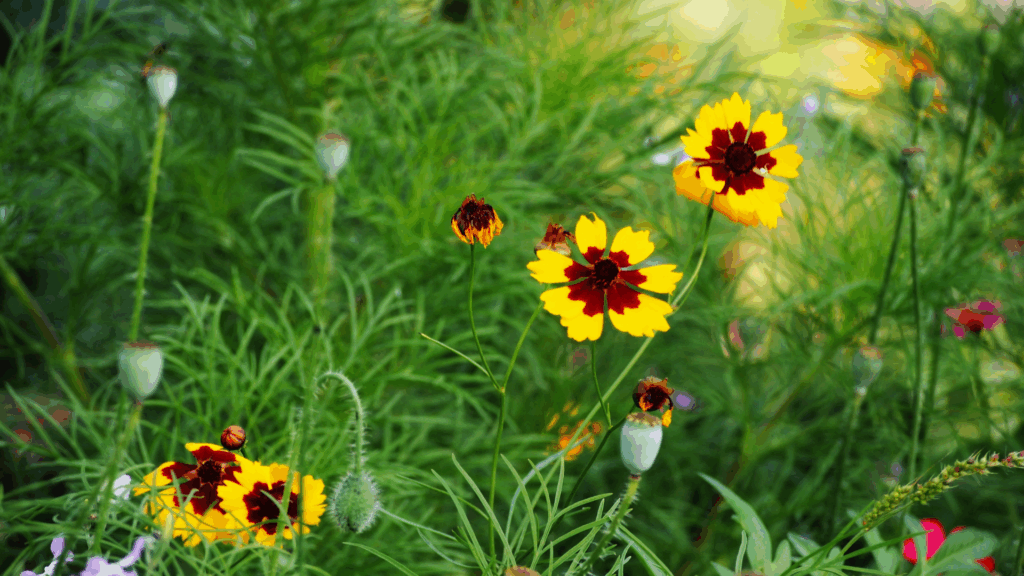
Coreopsis, often called Tickseed, is more than a vibrant garden flower; it’s a natural dyer’s treasure. With its sunny yellow petals and ease of cultivation, Coreopsis tinctoria (Dyer’s Coreopsis) has been used for centuries to produce earthy yellows, oranges, and warm browns.
If you’re curious about natural dyeing with coreopsis flowers, this guide will show you:
- Which species to use
- How to harvest and store flowers
- Step-by-step dye instructions
- How to modify and expand your palette
(Want to start natural dyeing today? Join my Free Avocado Dye Mini-Course → Sign up here or explore my masterclass Foundations in Natural Dyeing Course → Learn more here.)
What is Coreopsis? A Botanical Overview
The genus Coreopsis includes more than 75 species, and many produce excellent colour for dyeing.
Common species include:
- Coreopsis grandiflora: Large-flowered Tickseed
- Coreopsis lanceolata: Lanceleaf Tickseed
- Coreopsis verticillata: Threadleaf Tickseed
- Coreopsis tinctoria: Plains Coreopsis (Dyer’s Coreopsis)
Physical Characteristics
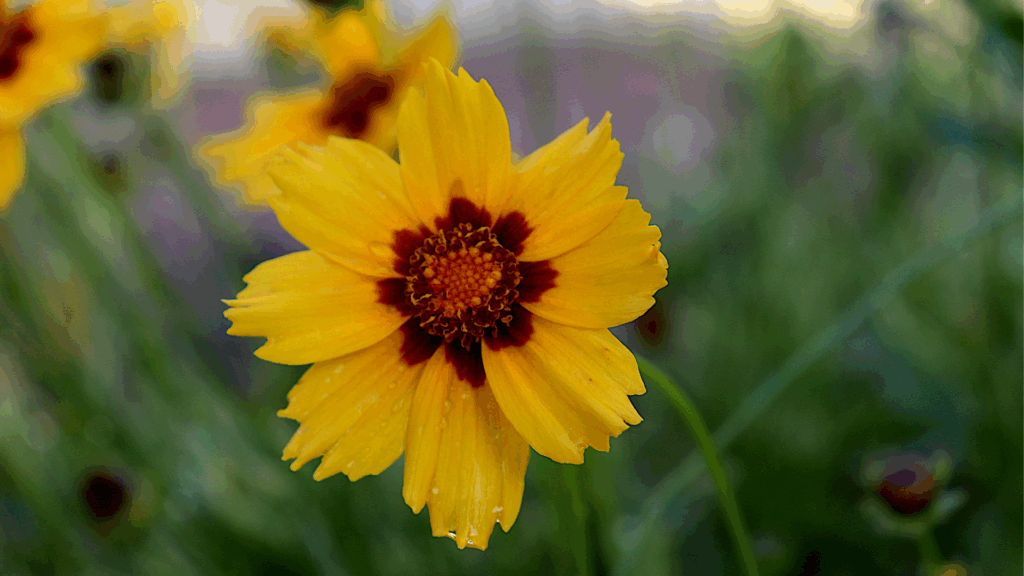
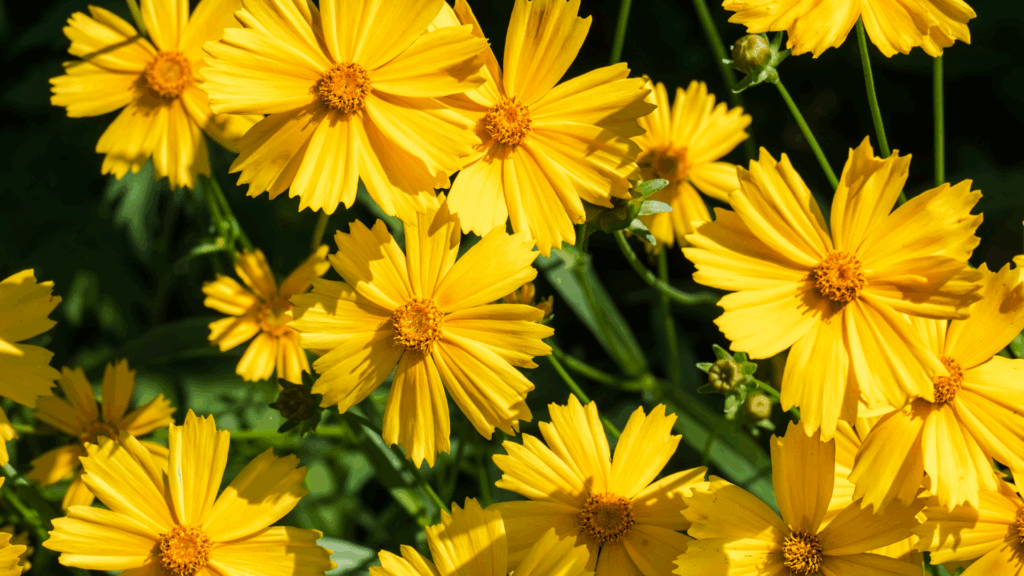
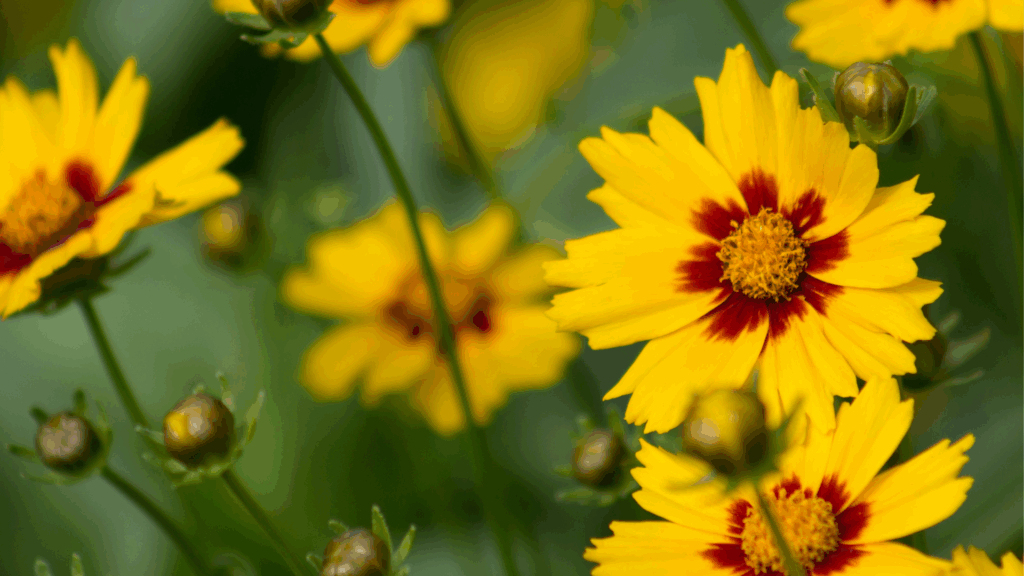
- Flower colour: Bright yellow, sometimes orange or bi-coloured.
- Height: From 10 inches to 4 feet.
- Leaves: From thread-like to toothed.
Native Habitat
Coreopsis is native to North and Central America and thrives in well-drained soil and full sun. It’s hardy, low-maintenance, and pollinator-friendly.
Natural Dyeing With Coreopsis Flowers
The name says it all: plants with tinctoria in their name were historically valued for dyeing. Like Woad (Isatis tinctoria) and Madder (Rubia tinctorum), Coreopsis tinctoria offers rich, warm tones that are easy to achieve.
What can you dye with?
- Flowers
- Plant tops (1–2″ below the bloom)
Storage tip: Dry flowers in a ventilated space for year-round use.
How to Harvest Coreopsis Flowers
- When: Peak bloom for bright colour.
- How: Snip flowers; cut tops separately.
- Storage: Air-dry and store in paper bags or glass jars.
Step-by-Step Guide: Natural Dyeing with Coreopsis Flowers
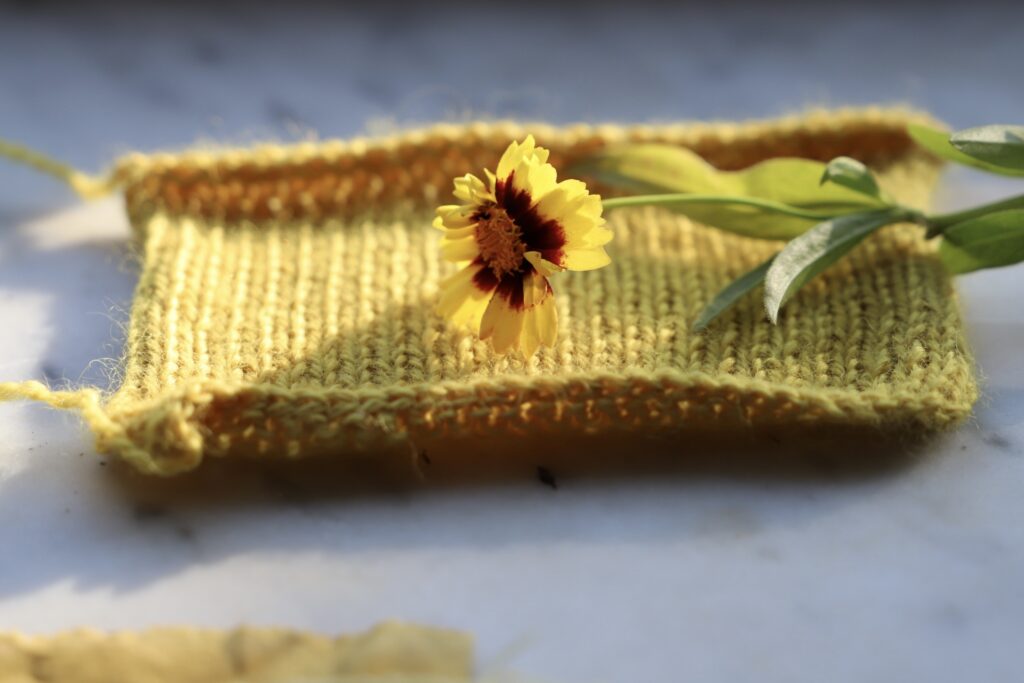
For my experiments, I used Coreopsis tinctoria, combining fresh and dried blooms on mordanted linen, cotton & alpaca fibres.
Materials
- Coreopsis flowers (fresh or dried)
- Fibres: natural fibres like linen, cotton, alpaca, silk
- Dye pot
Extracting the Dye
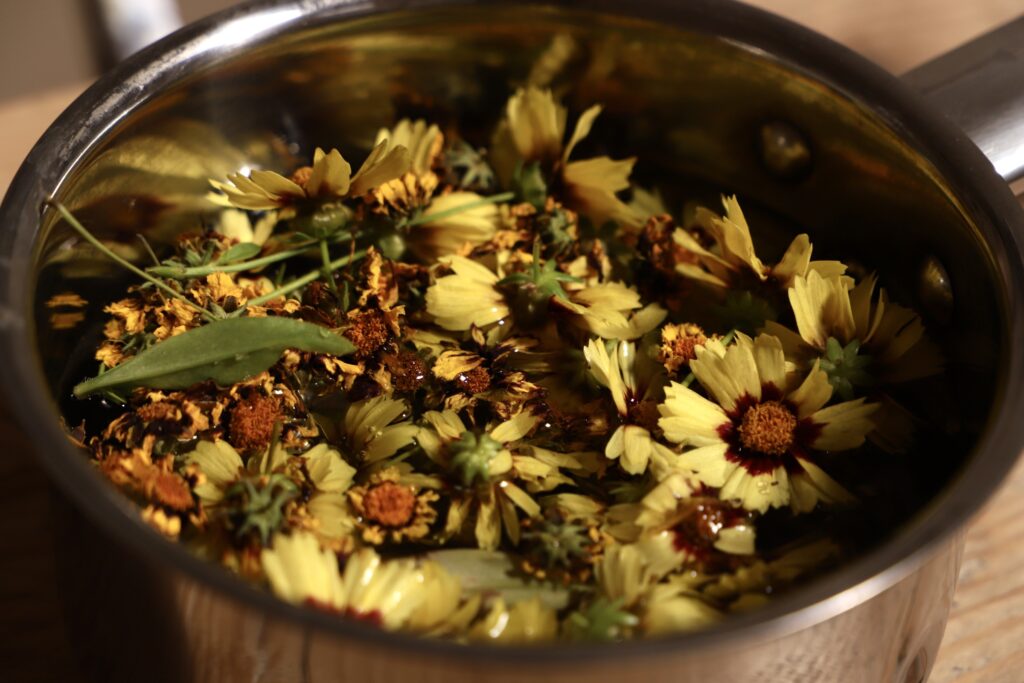
- Add flowers to the pot.
- Cover with water; simmer gently for 45-60 mins.
Dyeing the Fibres
- Add fibre & simmer gently.
- When you’re happy with the colour, remove from the dye, rinse & dry
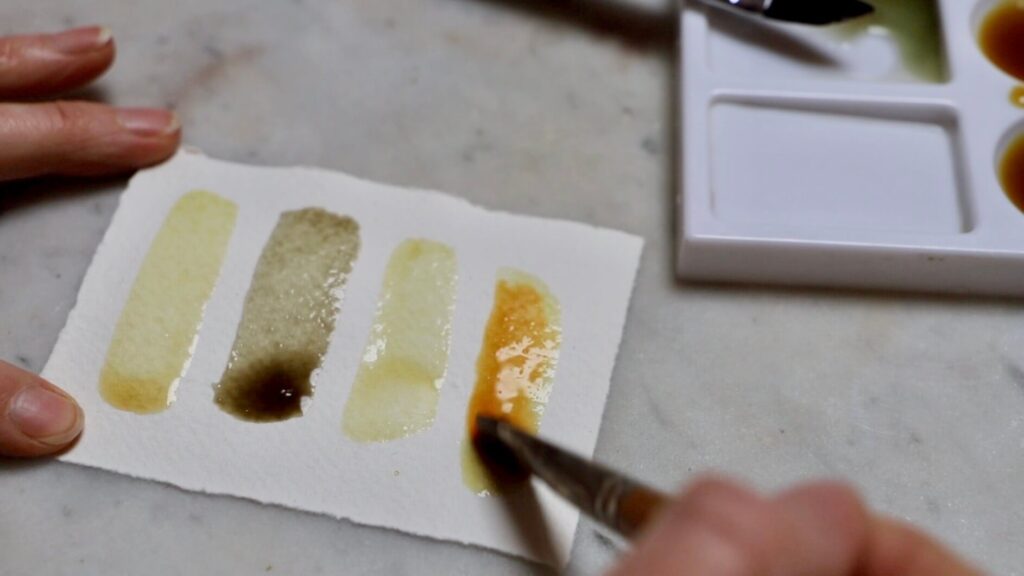
Modifying Your Colours
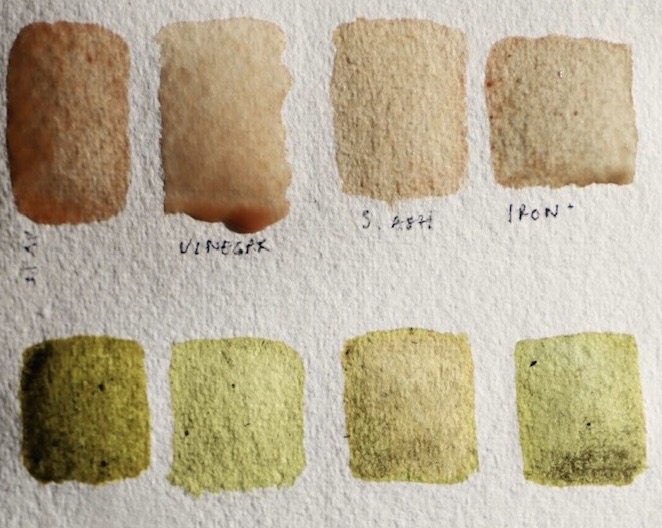
Use modifiers to expand your palette:
- Alum: Brightens yellow
- Iron: Creates olive or bronze tones
- Soda Ash: Shifts toward orange
Coreopsis Colour Results
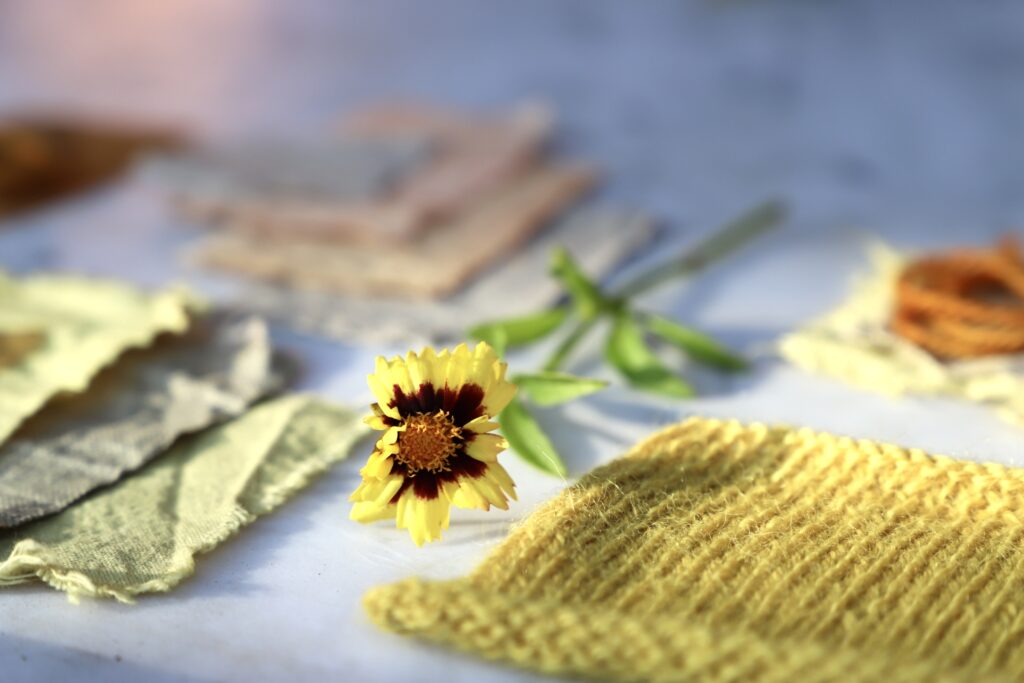
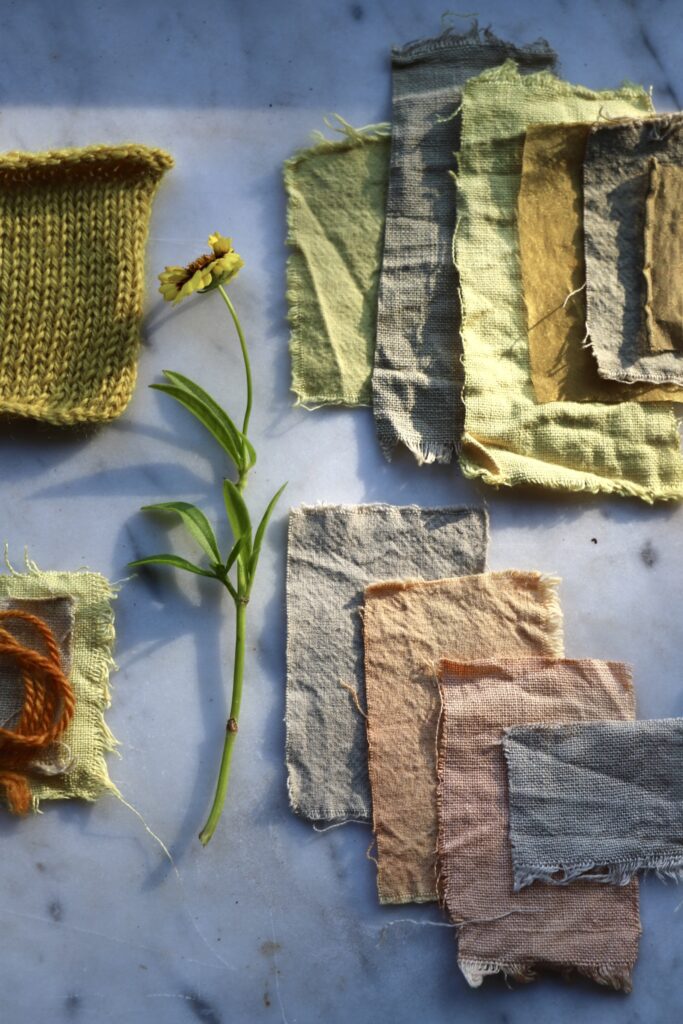
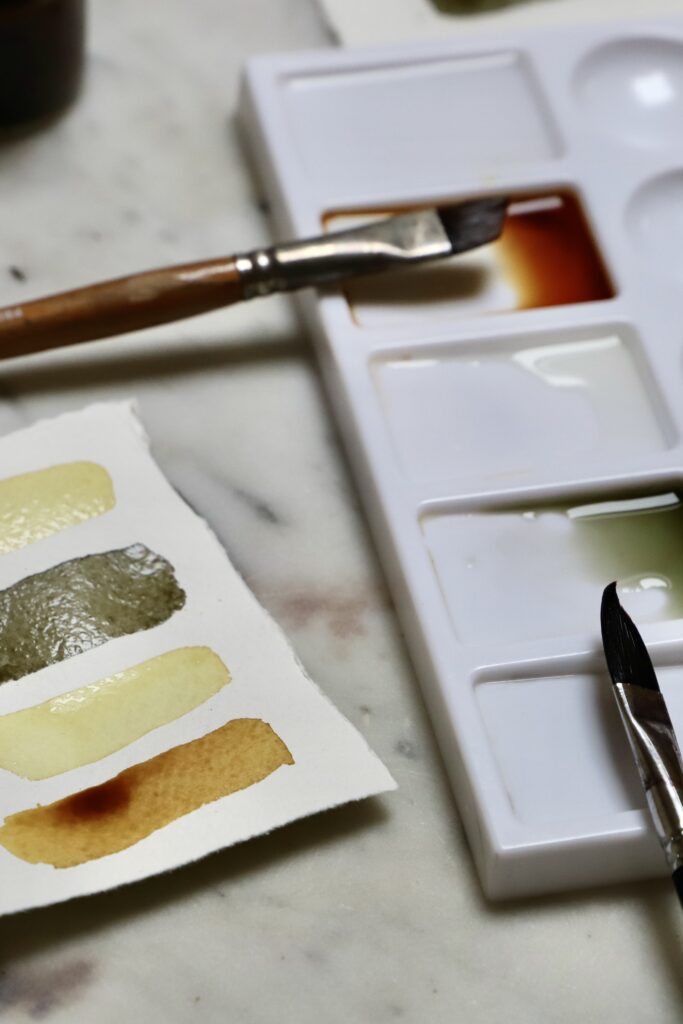
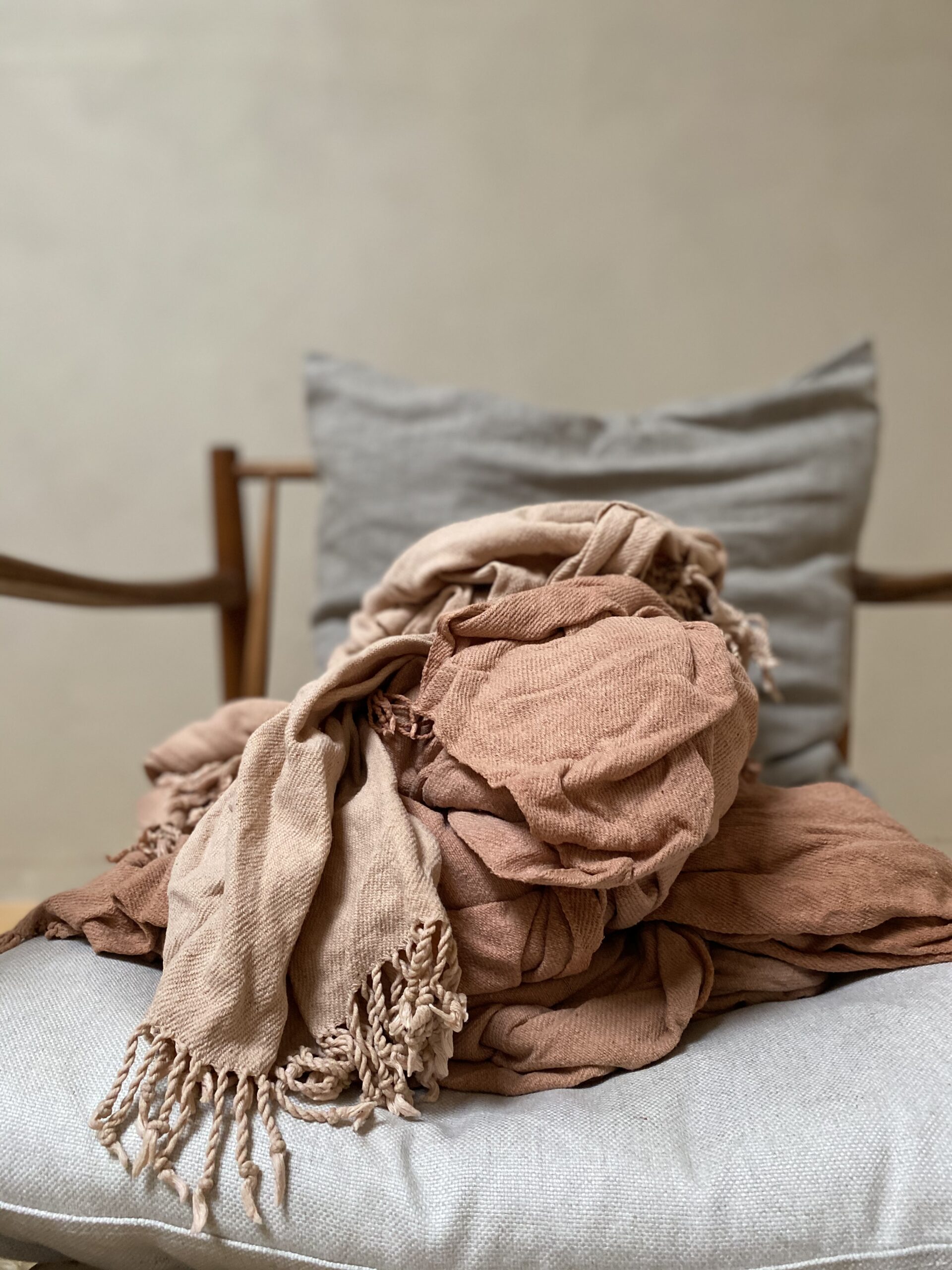
Coreopsis creates a spectrum from gold to earthy orange, with deeper shades after modifying. Each fibre type (silk, cotton, alpaca) takes the dye differently.
Why Coreopsis Belongs in Your Dye Garden
Easy to grow, long-blooming, and vibrant, Coreopsis is a beginner-friendly natural dye plant that offers endless colour possibilities.
Want to go further?
Coreopsis is one of the hands-on projects covered in The Complete Natural Dye Course, along with a full breakdown of dye baths, mordanting, and colour modifiers. Explore the course →
Kathryn x

+ show Comments
- Hide Comments
LEAVE A COMMENT