


What is a mordant?
A mordant is a substance used to help natural dye bond with a fibre, helping to create more durable colour. Mordanting is the process of applying a mordant to a fibre before or during natural dyeing.
Mordants are an important part of natural dyeing, but they can also be one of the most confusing things to understand when you’re starting out. In this beginner’s guide, I’ll explain what mordants are, why we use them, the different types of mordants, and how to think about choosing one for different fibres.
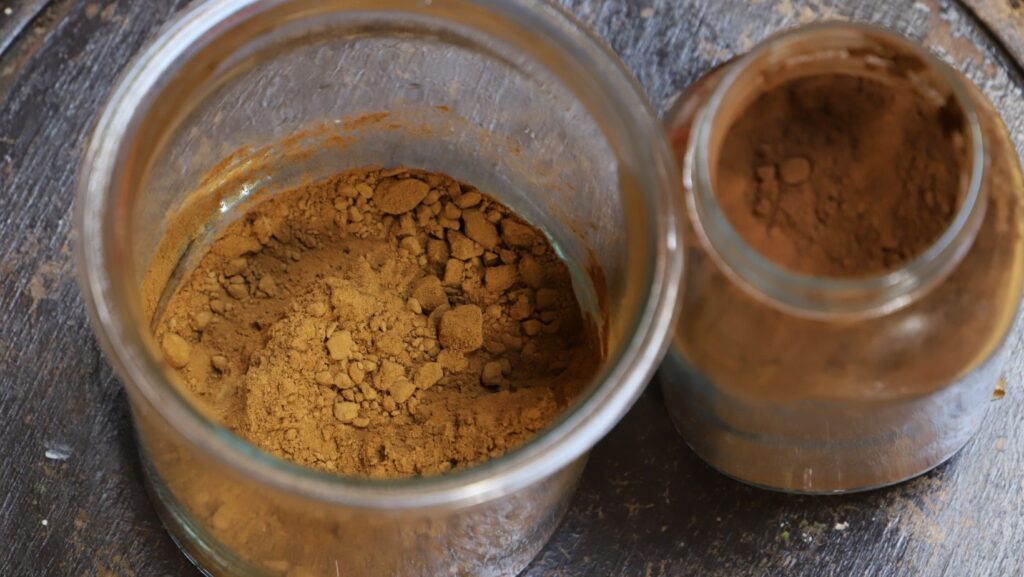
What is a mordant?
‘Mordanting’ is the action of applying a ‘mordant’ to a natural fibre. A mordant is an ingredient that helps the dye bind to the fibre.
Mordanting, along with ‘scouring’, is a fundamental step in the natural dye process. It sets you up for successful colour results. Incorporating mordanting into your natural dye practice can be the difference between colours that delight and colours that disappoint, fade or wash out.
Why do we use mordants in natural dyeing?
Mordants help natural dyes bond with fibres and can influence the colour and durability of the finished result. The mordant you use can affect both how a dye behaves and the colour it produces, which is why understanding mordants is an important part of natural dyeing.
These magical ingredients have several important functions:
- Help natural dyes bond with the fibre
- Influence the colour produced
- Improve colour fastness in some dye and fibre combinations
Why is mordanting confusing?
I remember when I was learning to dye naturally; mordanting was one of the things I found most overwhelming. When choosing a mordant for your fibre type, the confusion begins. There are many different mordants, from mineral salts to plant-based tannin sources, and they don’t all work in the same way.
The mordant you choose depends on the fibre you’re working with, the dye you’re using and the result you’re hoping to achieve. Some mordants are suited to particular fibre types, while others can be used across different fibres. Some require an additional step or additive, while others are relatively simple to use.
To make things even more interesting, some substances can act as both a mordant and a dye. This means they can help prepare the fibre for dyeing while also adding colour themselves.
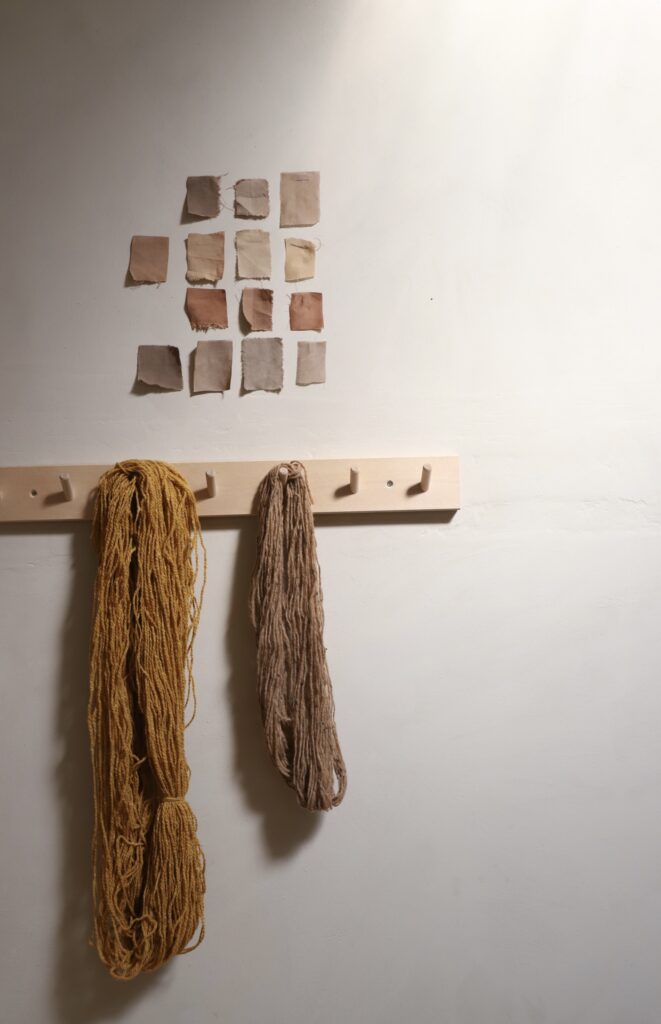
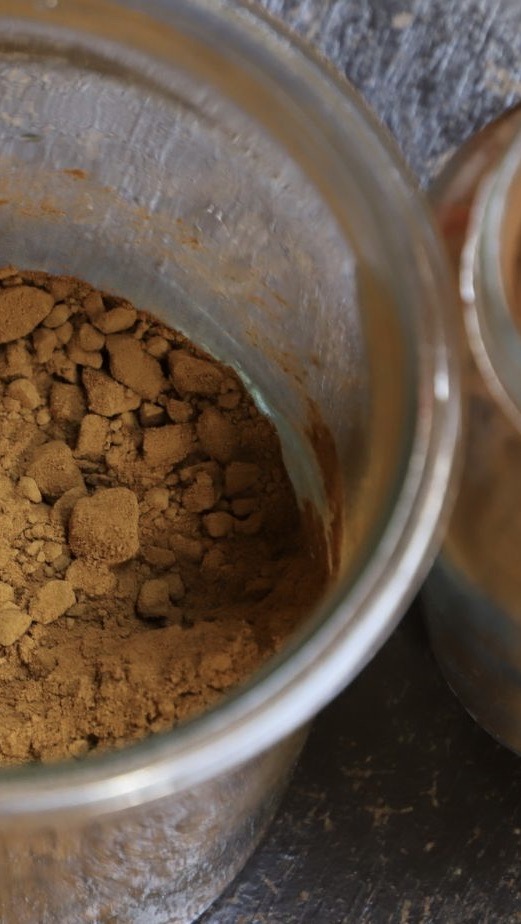
Types of mordants used in natural dyeing
Plant-Based Mordants:
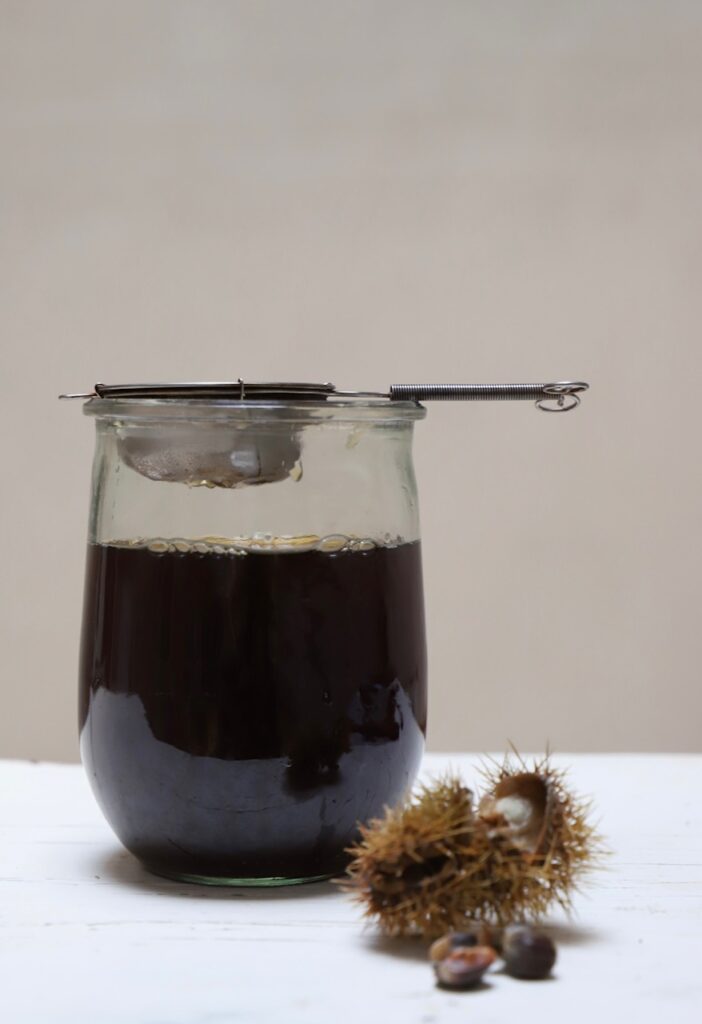
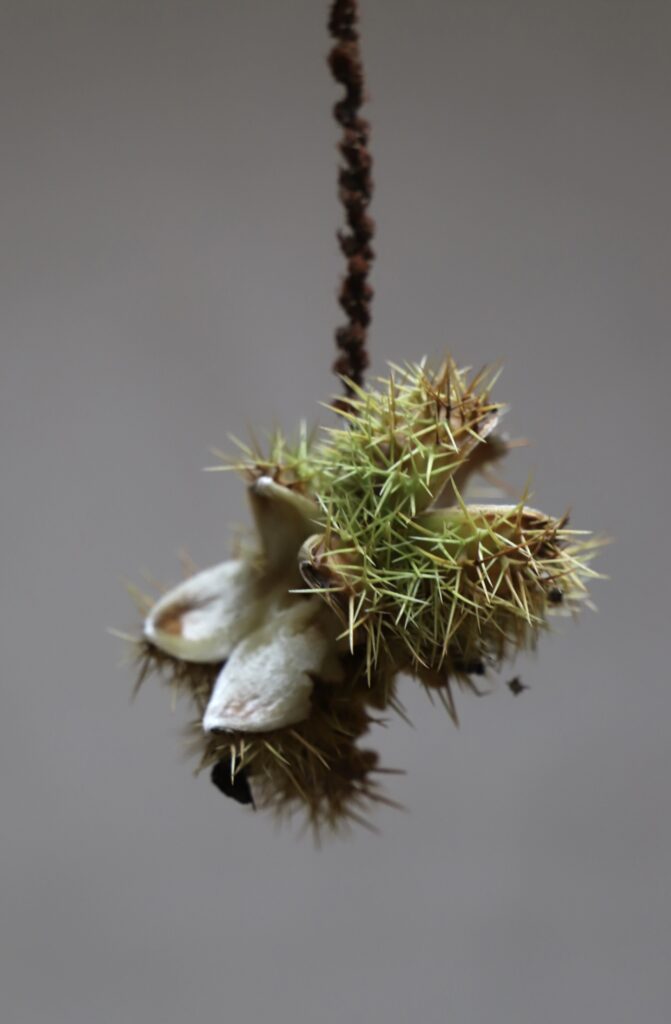
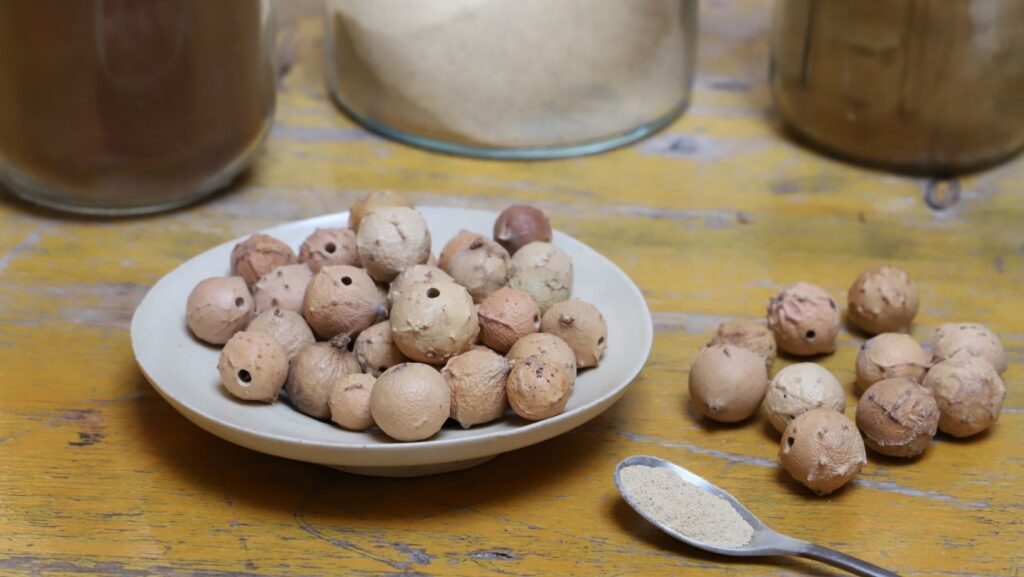
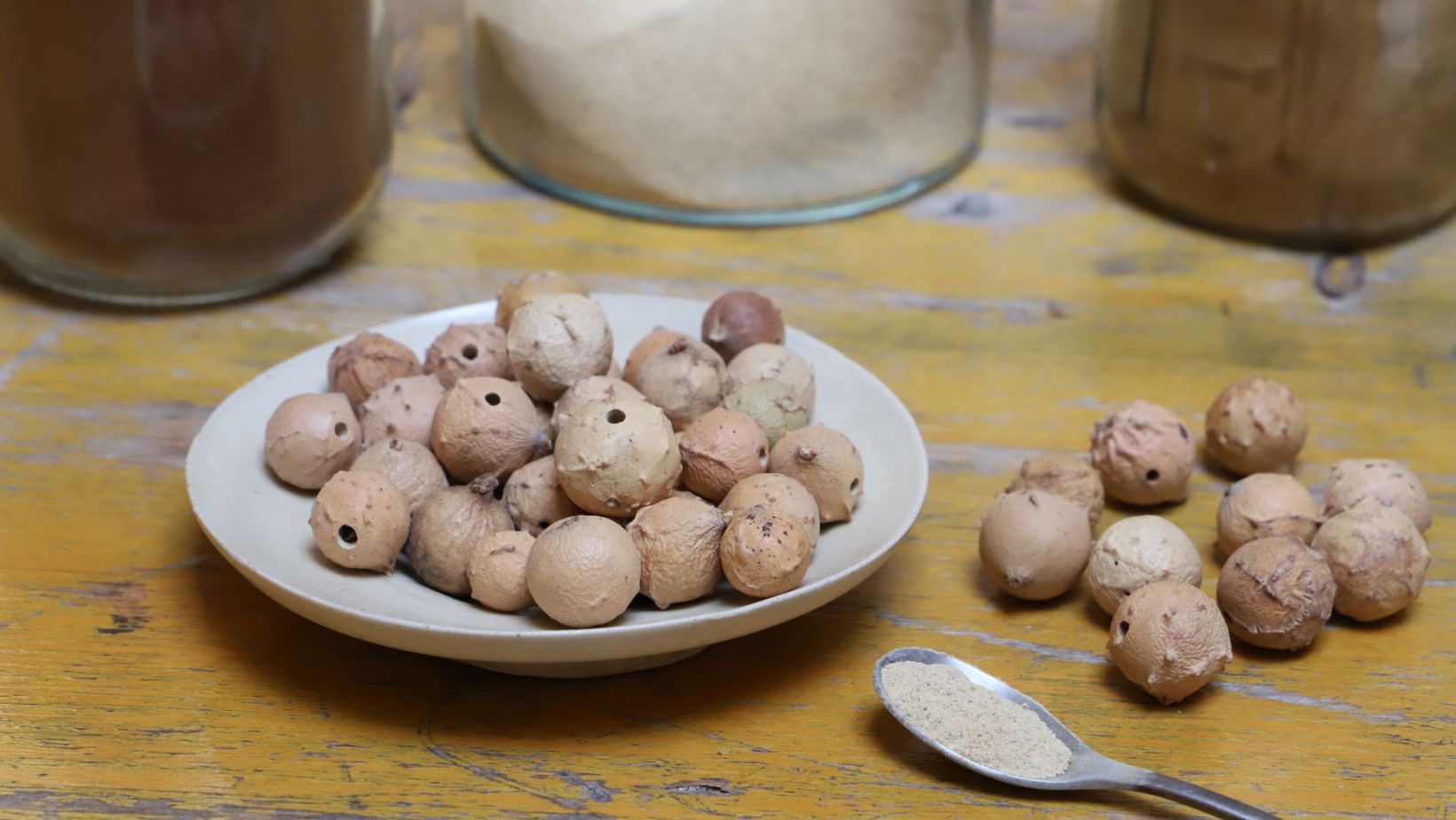
There are many plant-based sources of tannins that can be used in natural dyeing. Rhubarb leaves, chestnuts, oak galls and sumac are some common choices. These plant materials are naturally high in tannins, which can help prepare cellulose fibres for natural dyeing. They can also add their own colour, often creating a warm or muted base that can add depth to the finished colour.
Metallic Mineral Salts:
Mineral salt mordants include alum, iron, copper, chrome and tin. In my own studio practice, I avoid copper, chrome and tin and work primarily with alum and plant-based tannin sources.
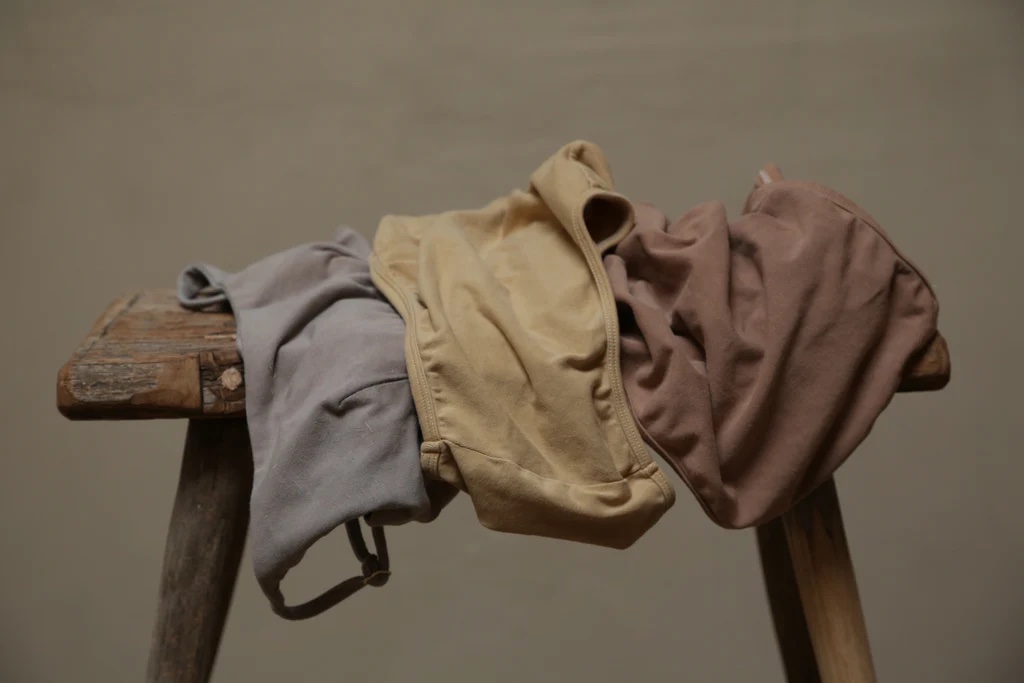
Alum can help produce brighter, clearer colours, while iron can significantly alter and deepen many natural dyes, often creating darker, greyer or more muted shades. The effect depends on the dye and fibre you’re working with, which is part of what makes mordanting so interesting to explore.
How do I know which mordant to use?
The best mordanting approach depends primarily on:
- The fibre you’re dyeing
- The natural dye you’re using
- The colour you want to achieve
- Your preferred dyeing method
Different mordants behave differently on different fibres, and some are better suited to particular types of natural dyeing. Your choice can also influence the colour you create. So experimenting with different approaches can be a useful part of developing your own practice.
In my own natural dye practice, I use alum for protein fibres and plant-based tannin mordants for cellulose fibres.
If you’re new to natural dyeing, you don’t need to understand every mordant at once. Start by understanding the fibre you’re working with and the role the mordant plays. Then build your knowledge through practice and experimentation.
Ready to go further with natural dyeing?
Understanding mordants is an important part of getting more consistent, lasting colour from natural dyes. If you want to understand not just what mordants are, but how and when to use them, The Complete Natural Dye Course takes you through the different kinds of mordants, mordanting step by step, dye baths, fibres and all the techniques you need to work confidently with plant colour.
EXPLORE THE COMPLETE NATURAL DYE COURSE →
x Kathryn



+ show Comments
- Hide Comments
LEAVE A COMMENT