

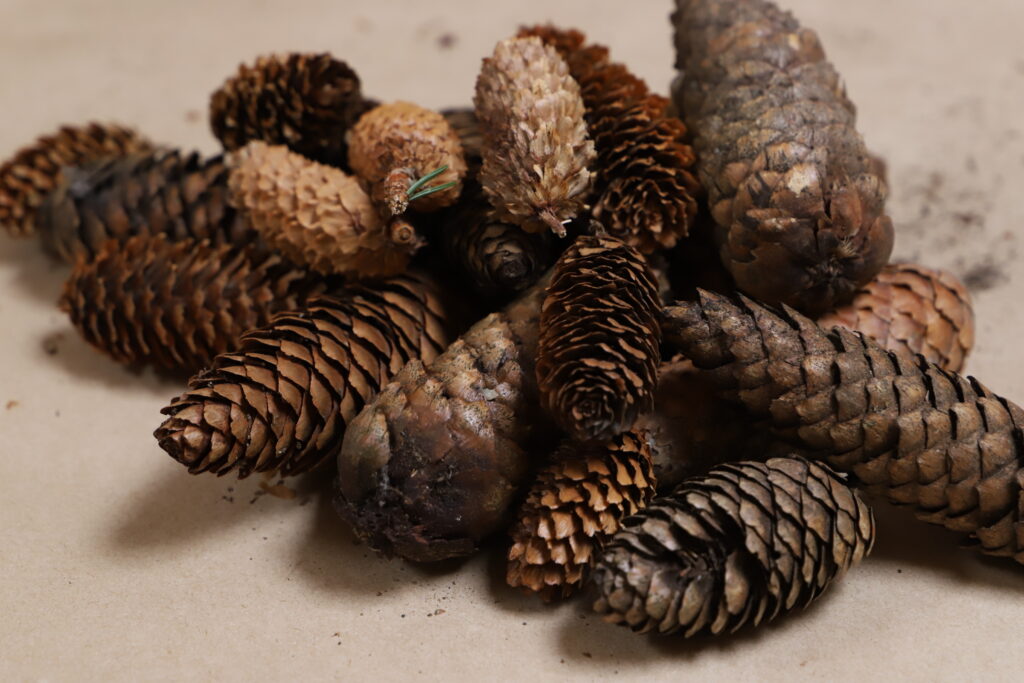
The Norway Spruce
When it comes to natural dyeing with spruce cones, the process couldn’t be simpler. For my February Colourway, I looked at colours from the cones of the Norway Spruce. The fastest growing of spruces, the Norway spruce, is a common tree in the forests of Ireland.
The bark is greenish or greyish brown, with mature trees showing scales & shedding. The leaves are dark green & needle-like. These needles are slightly curved & smooth, falling from the branches after 2-3 years. The spruce cones are orangey-brown and narrow with rounded scales.
The wood of the mountain spruce is firm & durable making it a common choice for timber, furniture, instruments, paper-making, beer & essential oils. Prized by violin makers, they valued it for the resonance it provided. In shipbuilding, spruce woods provided reliable/long-lasting ship masts.
Natural Dyeing with Spruce Cones
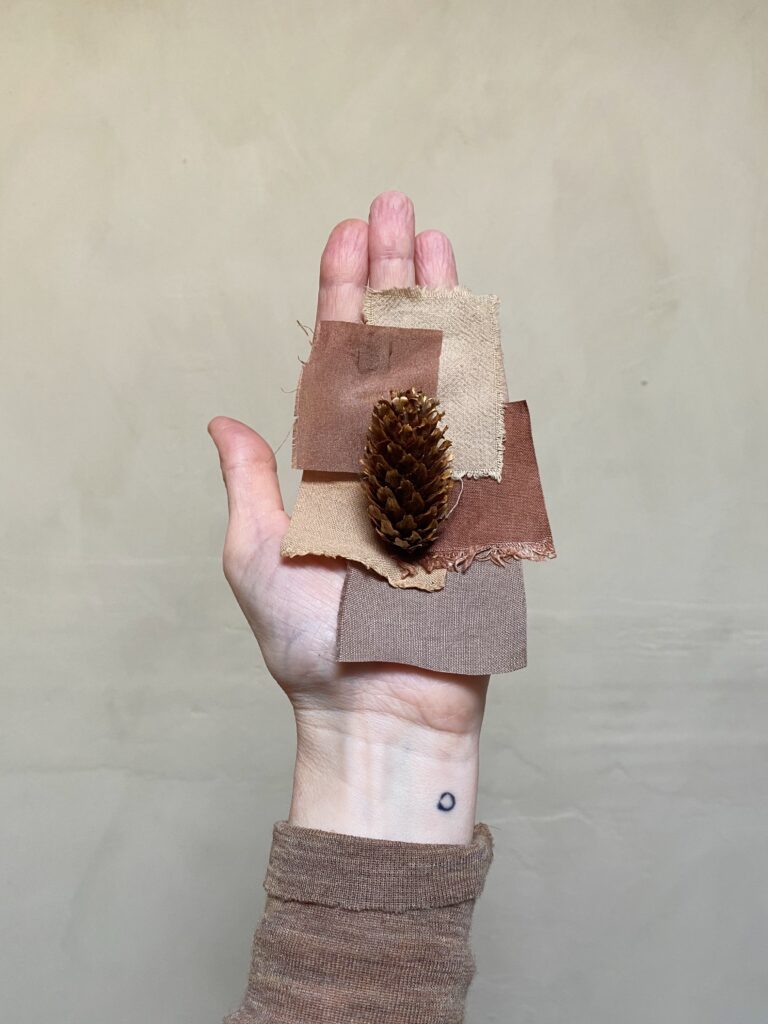
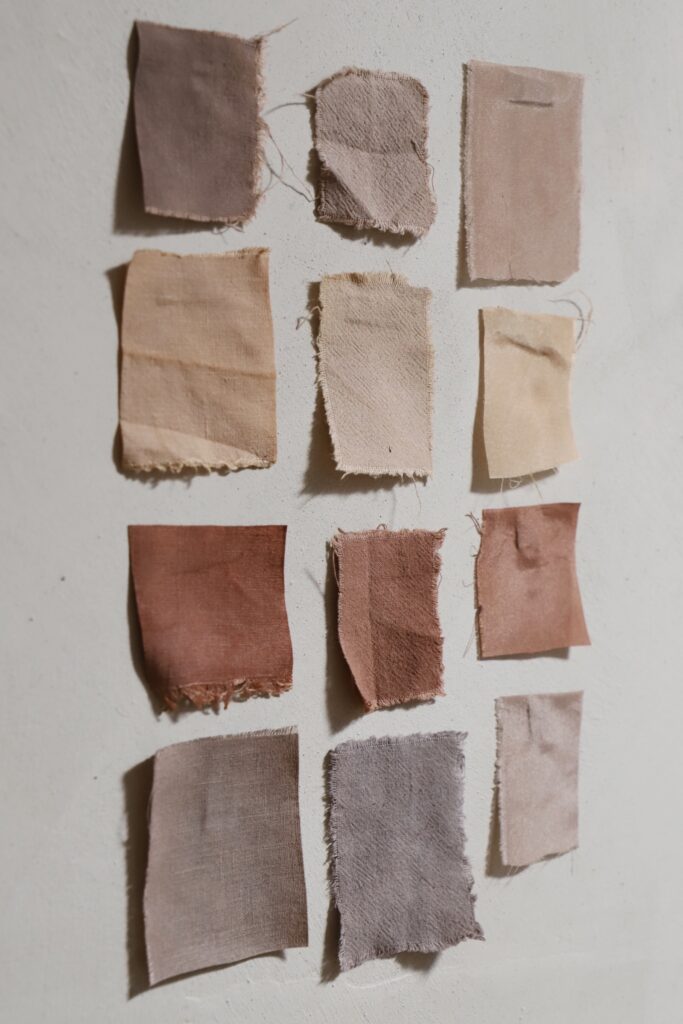
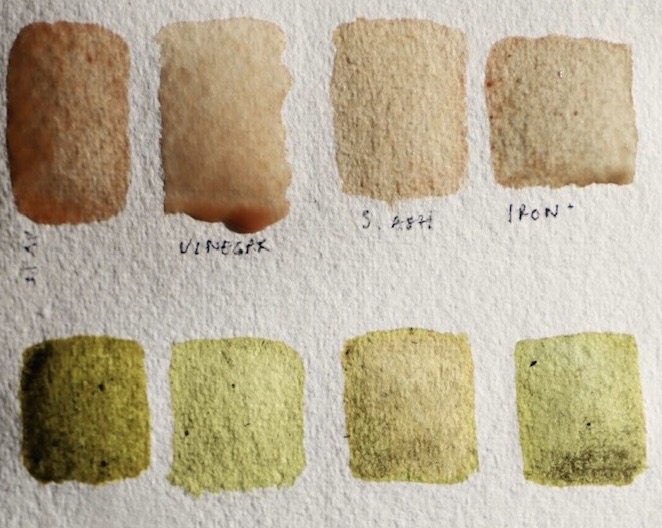
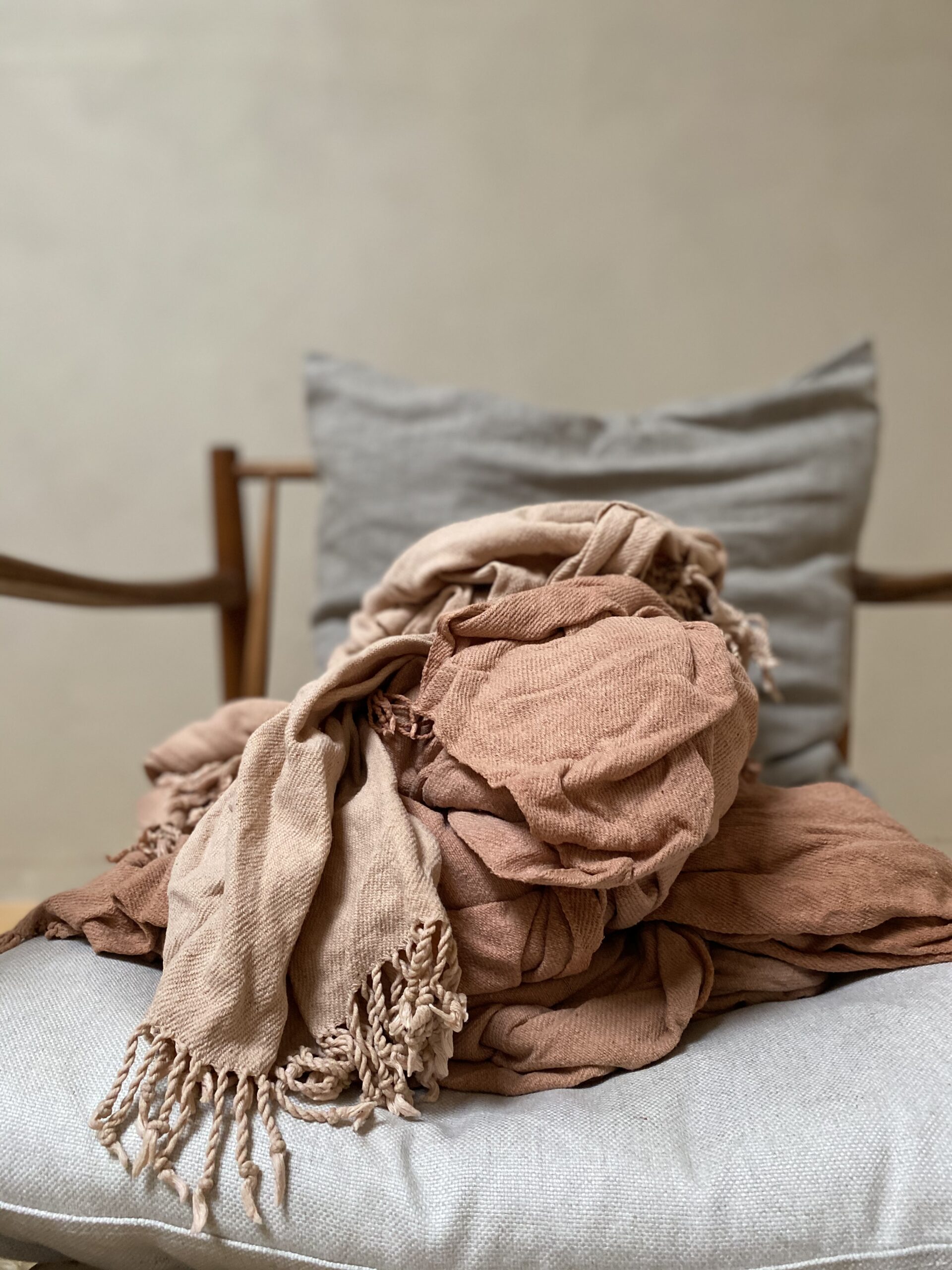
As a natural dye source, the branches, bark & cones are used to produce natural colour. As the spruce cones are high in tannin, they make a rich dye that will bind to your fibres, producing good results from a small number of cones. Spruce trees are a wonderful dye source & depending on the variety you use, colours can range from tans to pinks, plums & greys.
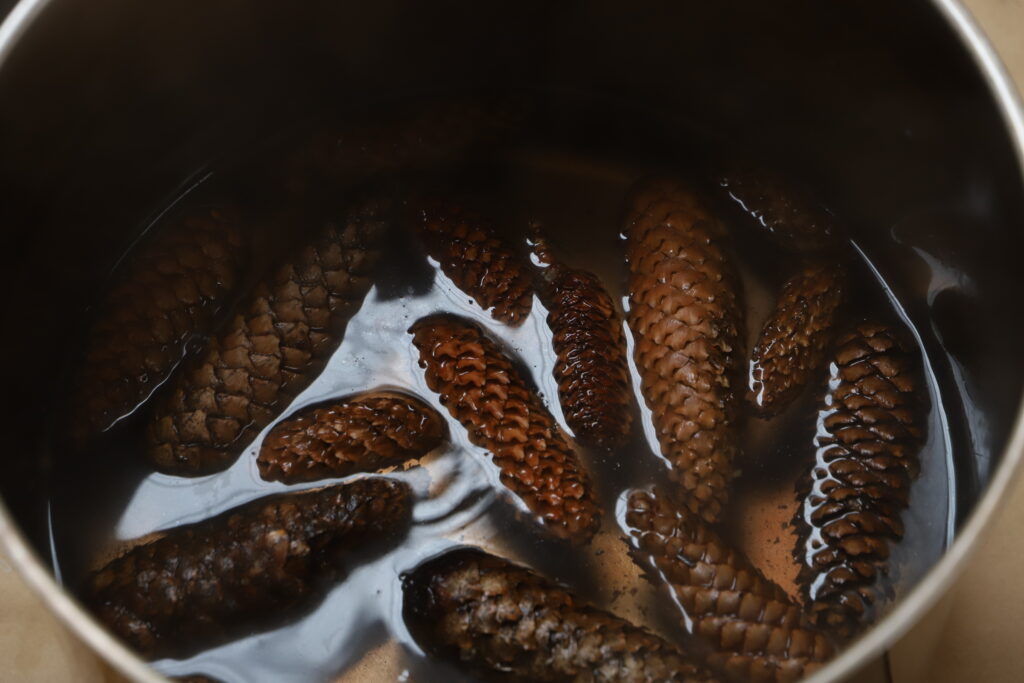
When natural dyeing with spruce cones, gather the cones from the forest floor throughout the year or after the storm. If they are dirty, give them a rinse and let them dry naturally. Store them in a cool place, out of direct sunlight. To dye with them, add them to your dye pot, cover them with water and simmer gently for 3-5 hours. For an extra strong bath, turn off the heat & let the cones sit in the bath overnight. The next day, remove the cones; your dye is now ready to use.
Want to learn more?
If you’d like to explore more natural dye sources like this one, my ebook, Guide to Plant-Based Colour, covers over 200 plants and dye sources, organised by colour. Get the ebook →
Kathryn x

+ show Comments
- Hide Comments
LEAVE A COMMENT